English. Teddy Toys, Harwin.
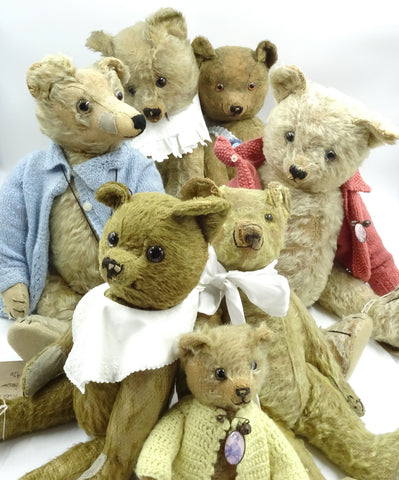
Harwin & Co. was a British teddy bear company founded in North London in 1914 by G.W. Harwin. The company became known for its "Ally" bears, a series of First World War mascots dressed in Allied uniforms, designed by his daughter Dorothy Harwin in 1916. The company closed around 1930 due to the post-war depression.
Founding and early years: The company was established in 1914, and its products included needlework, felt dolls, caricatures, and teddy bears.
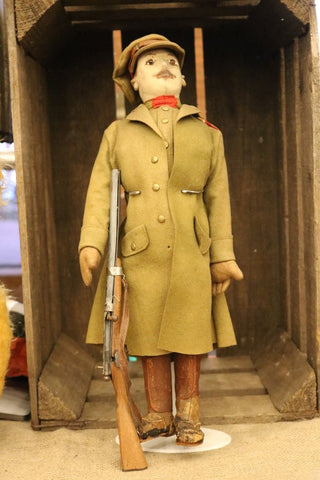
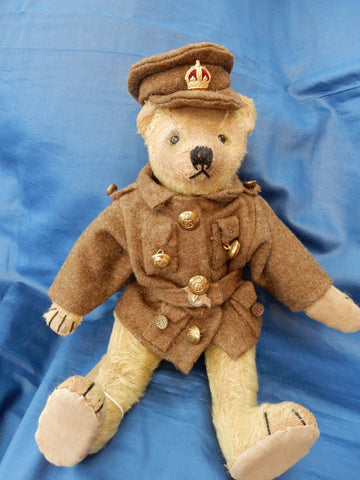
"Ally" bears: In 1916, Harwin & Co. designed a series of patriotic "Ally" bears for World War I, which were dressed as mascots in uniforms of Allied forces, such as a British Officer, a Sailor, and a Red Cross Nurse. The company also produced undressed bears.
Company closure: The company faced difficulties and closed its operations around 1930, largely due to the economic downturn of the post-war depression.
Daughter's designs: Many of the company's designs, including the "Ally" bears, were created by G.W. Harwin's daughter, Dorothy Harwin.
Trademark: The company had a registered trademark, which was the letters "DOTS" in a double circle with the words "British Made," although it was not used on fixed labels.
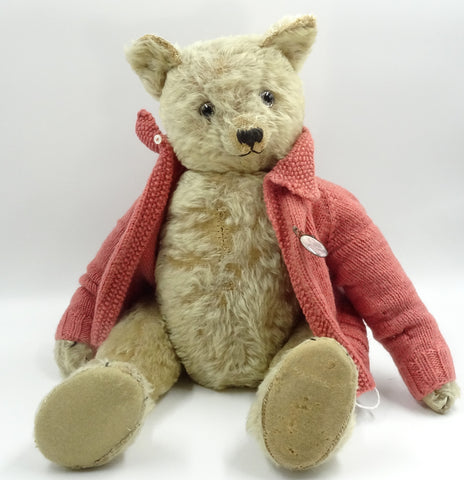
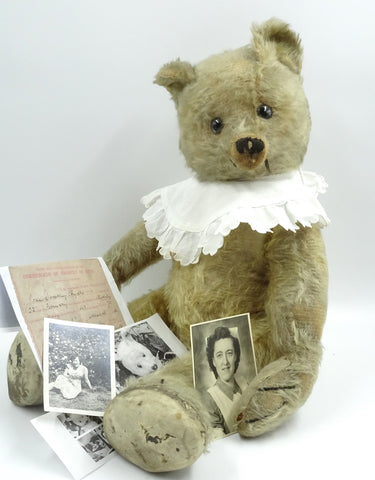
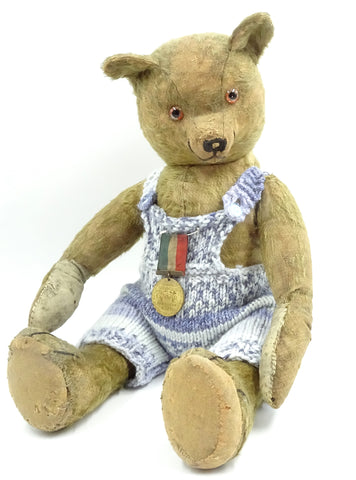
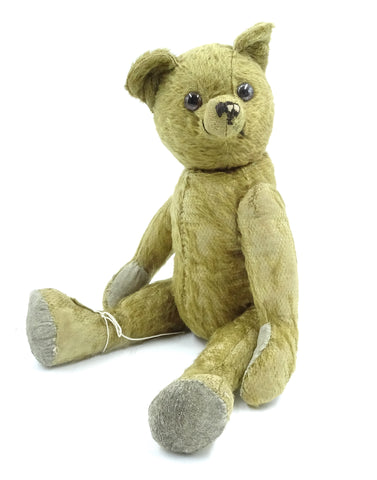
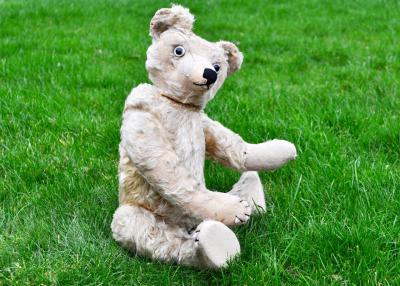
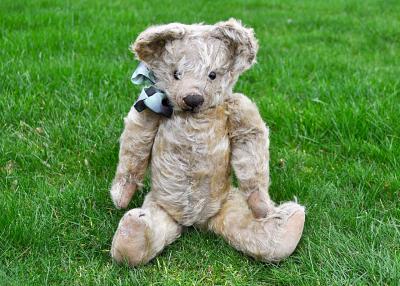
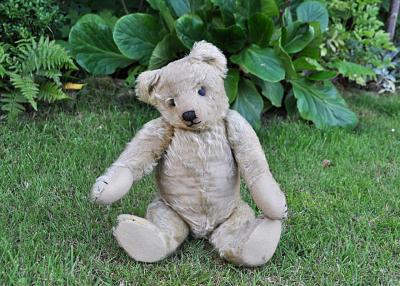
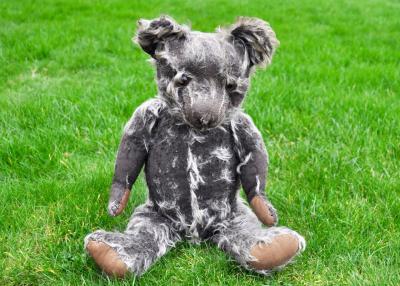
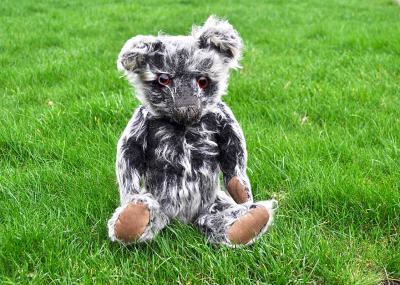
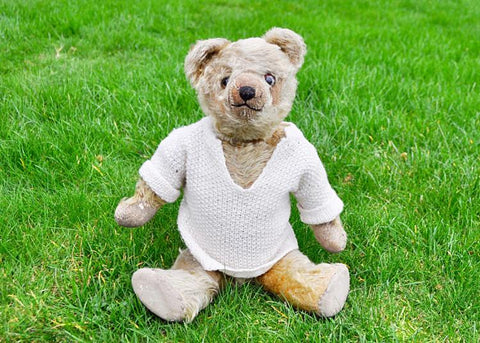
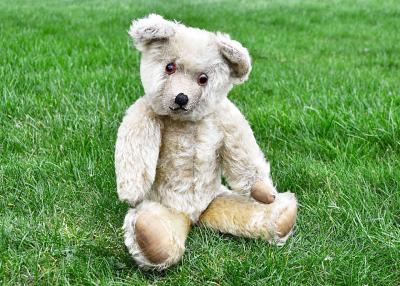
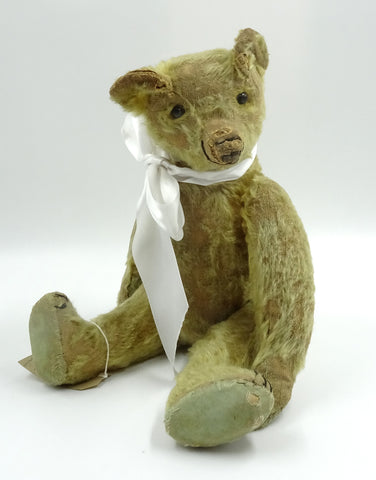
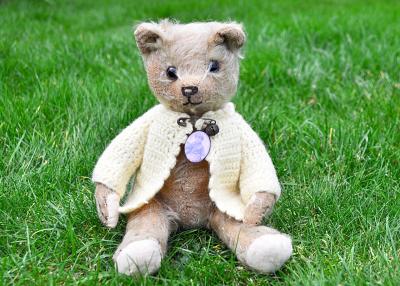
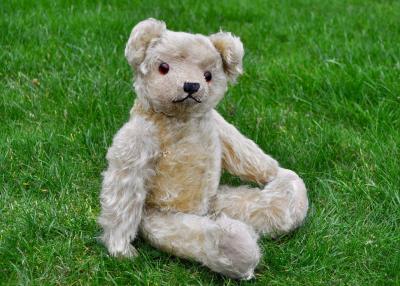
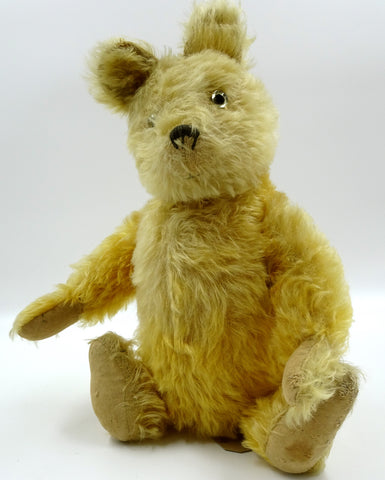
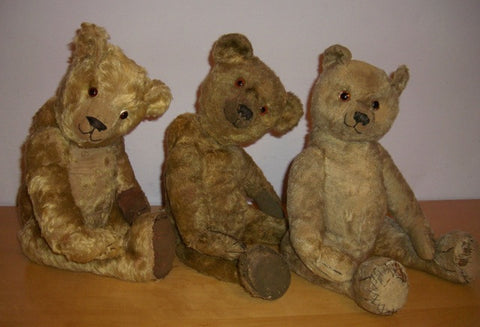
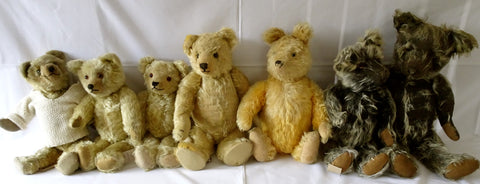
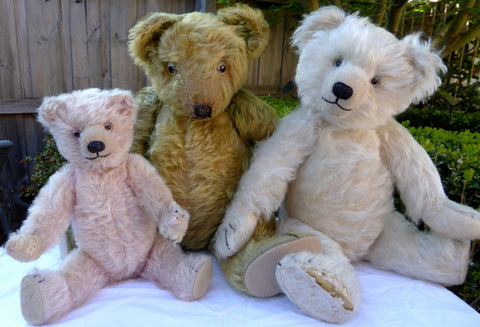
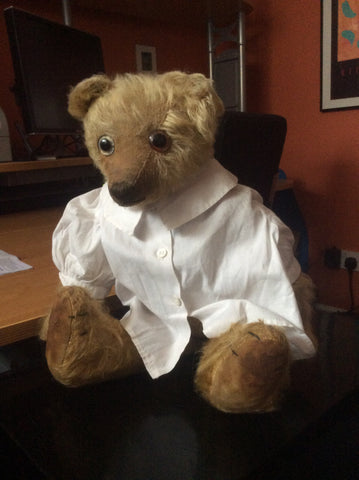
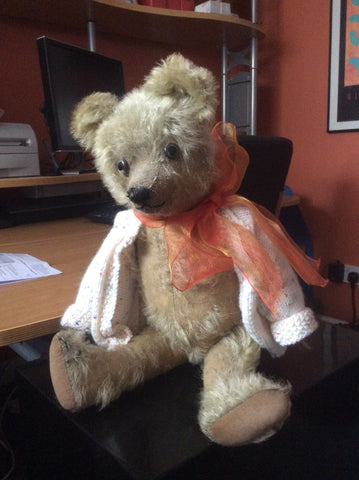
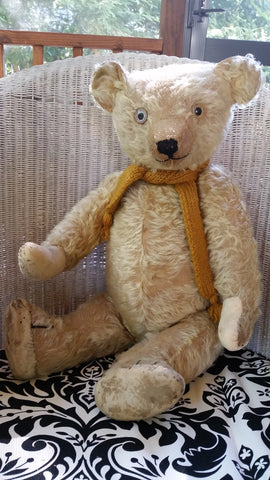
Harwins all have six features that seem to run the same regardless of the quality, size or pattern, plus a large hump!
1. They always seem to have big hips! The legs are joined a little higher up than other bears making the crotch look low down and the hips look wide, wider than the shoulders.
2. They all have mouth stitching that is shaped like a ' W'.
3. They all have large feet and very slim ankles, and the upper leg is not very shapely.
4. They all seem to have hand paws that curve inwards at the wrist, so that they can almost sit with their tips of their paws touching, provided any new pads have not been put on too tightly.
5. Where the centre gusset of the head goes down to the neck, it doesn't go to a point like most bears, it has a squared off ending that is tucked under the joint.
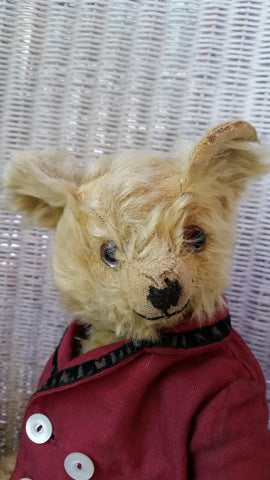
6. The ears are tucked into the head seams then curved round down the side of the head making them 'cupped' ears.