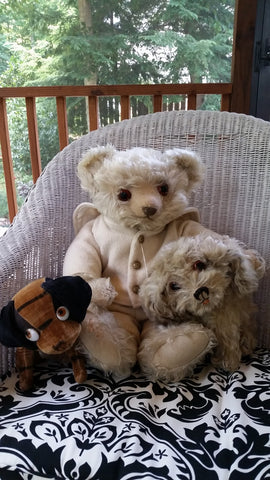
German Jopi, Moritz Pape and Kohler&Rosenwald
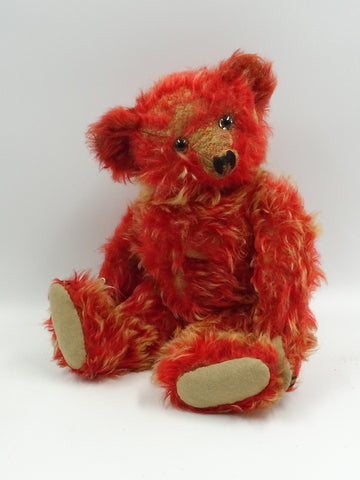
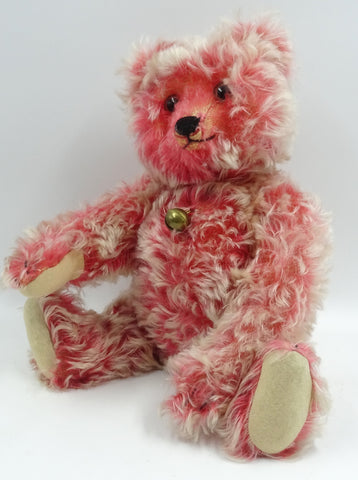
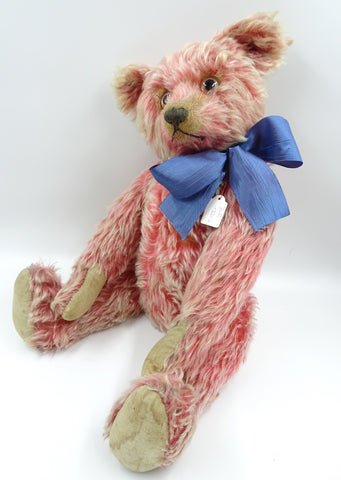
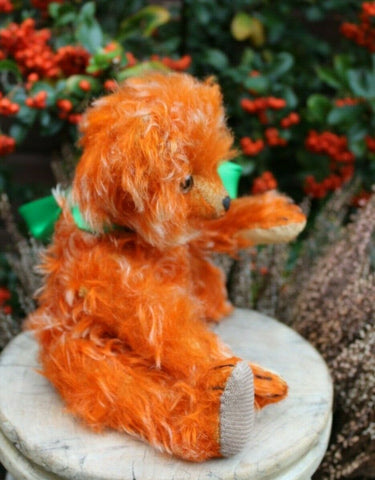
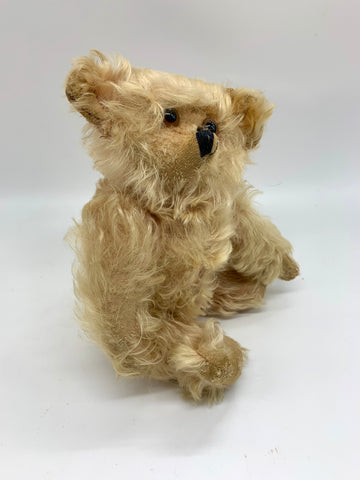
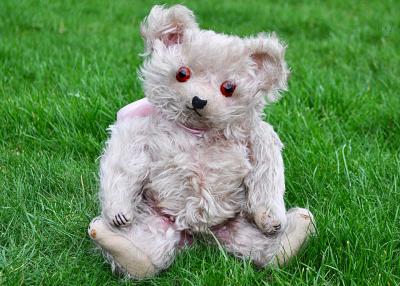
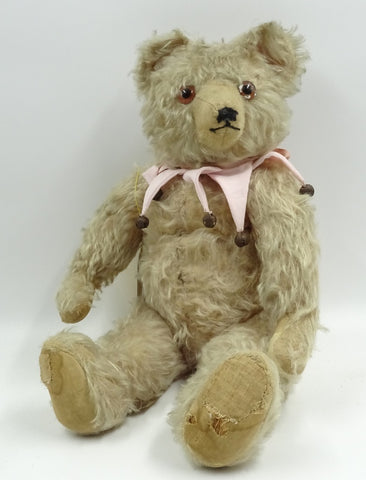
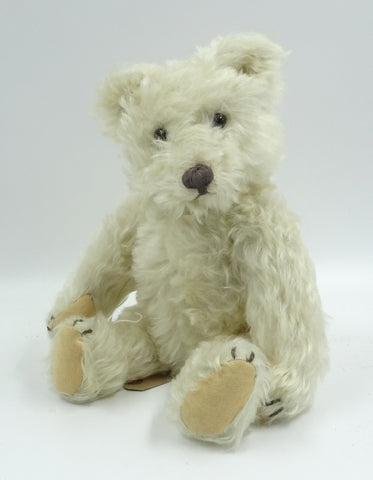
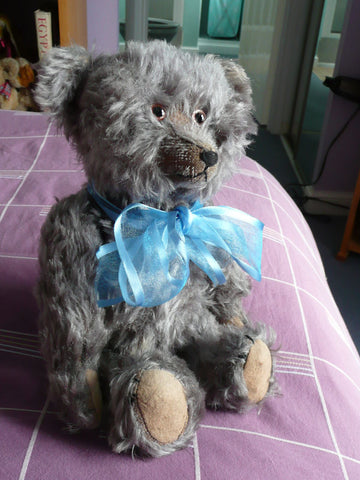
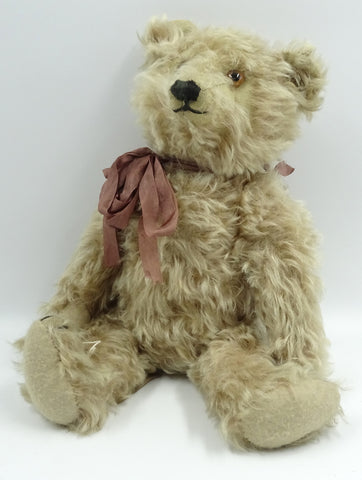
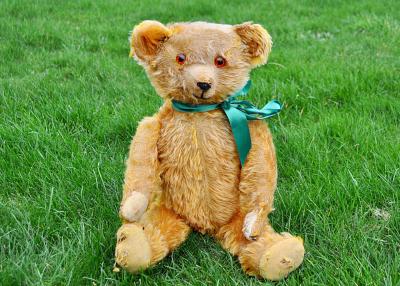
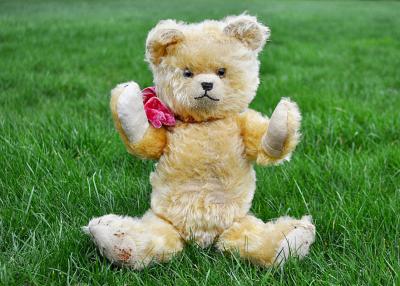
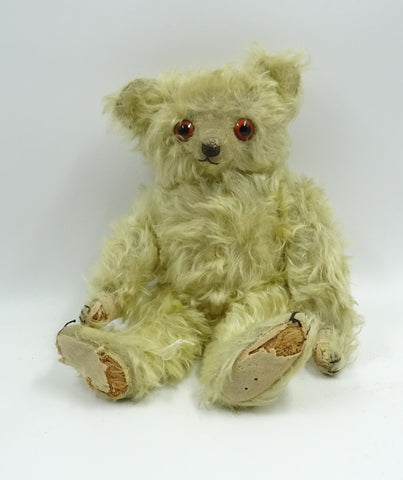
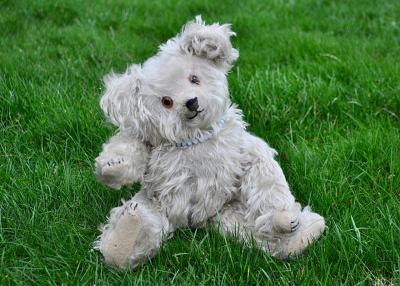
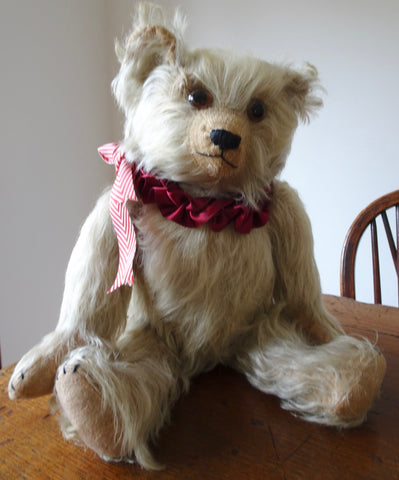
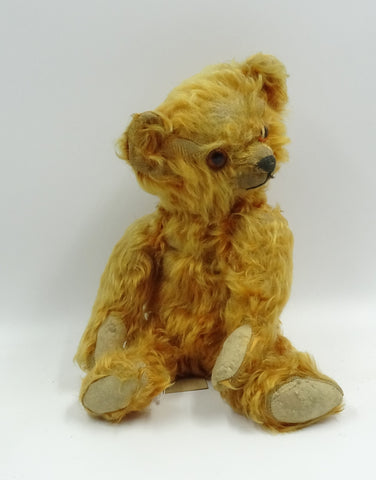
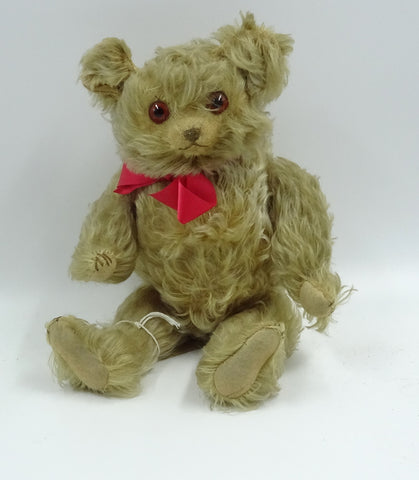
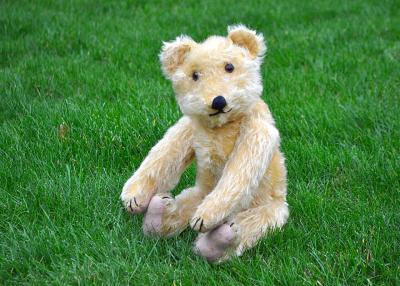
German "Jopi" teddy bears were created by Joseph Pitman, who registered the brand name in Nuremberg, Germany, in 1922. These vintage stuffed toys are famous for their unique long muzzles, wood-straw stuffing, and special hand-squeezed squeeze-bellows music boxes hidden inside their torsos.
Origins and Production
The Maker: Joseph Pitman founded and registered the Jopi trademark in 1922 in Nuremberg, a historic hub for German toy manufacturing.
Era of Popularity: Production peaked during the 1920s and 1930s, alongside other notable German makers like Moritz Pappe and Eduard Cramer.
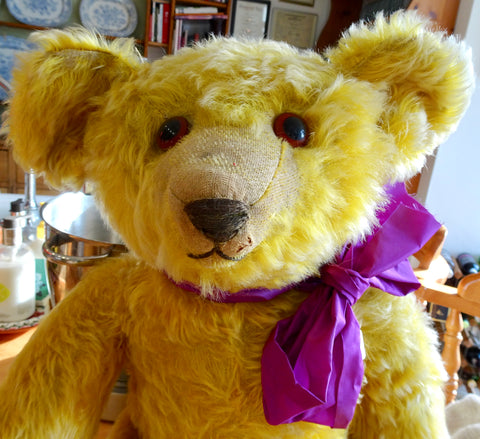
Design Features: Jopi bears typically feature thick mohair fur, clear or amber glass eyes, stitched black noses, and distinctive long snouts.
The Iconic Musical Bellows
Helvetic Mechanism: Many authentic Jopi bears contained a unique hand-operated squeeze mechanism.
How it Worked: Squeezing the bear's tummy activated a built-in bellows music box that played a continuous tune until released. Heavy childhood use often wore out or silenced these internal music boxes over time.